
Vietnam Workforce Solution for Korea Shipyard Labor Shortage
Introduction
South Korea has long been recognized as one of the world’s leading shipbuilding nations. Major shipbuilding corporations including HD Hyundai Heavy Industries, Hanwha Ocean, Samsung Heavy Industries and HD Hyundai Mipo continue to secure billions of dollars in global contracts for LNG carriers, container ships, offshore platforms, naval vessels, and specialized marine projects.
However, the rapid growth of shipbuilding orders has created a serious labor shortage throughout Korea’s shipbuilding sector. Korean shipyards and subcontractors are struggling to recruit sufficient numbers of skilled workers, particularly in welding, electrical installation, painting, pipe fitting, steel fabrication, and hull assembly. Industry reports indicate that labor shortages in Korean shipbuilding remain one of the biggest challenges affecting productivity and project delivery schedules.
As Korean shipyards seek sustainable workforce solutions, Vietnam has emerged as one of the most reliable and strategic labor supply partners. Vietnamese workers are increasingly recognized for their technical skills, strong work ethic, adaptability, and experience in heavy industry and shipbuilding environments.
This article explores why Vietnam has become the preferred workforce solution for Korea’s shipyard labor shortage and how Vietnamese skilled workers can support Korean shipbuilders in achieving long-term growth.
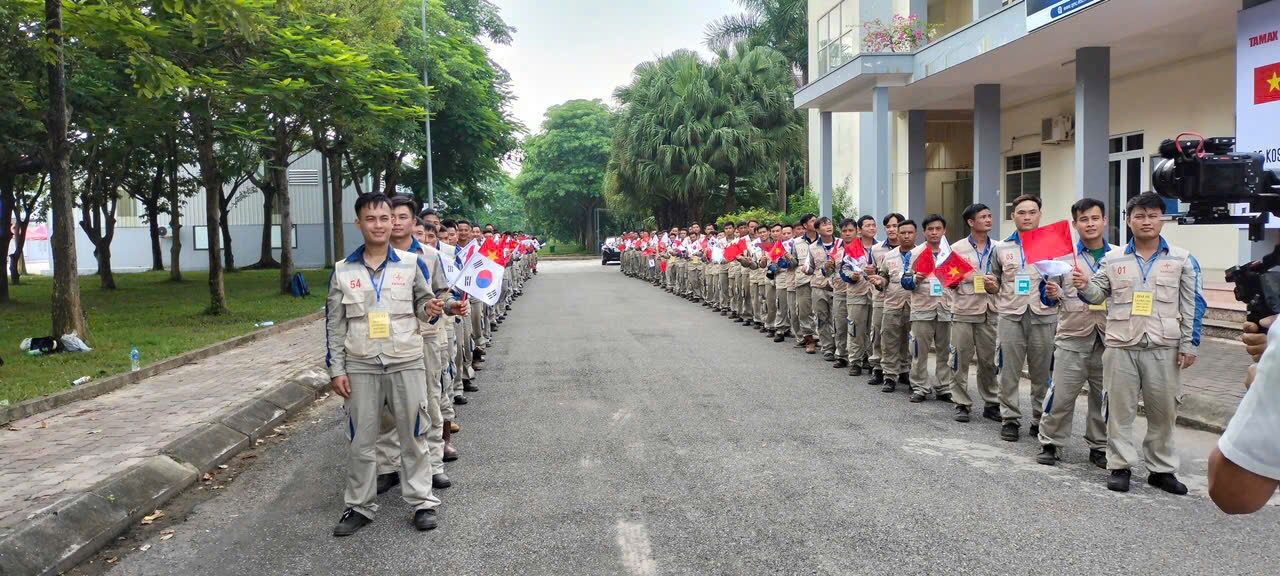
Vietnamese welders are preparing for a skills assessment test from a South Korean employer. The shipbuilding companies are from South Korea.
The Growing Labor Shortage in Korean Shipyards
South Korea’s shipbuilding industry is experiencing a strong resurgence fueled by increasing demand for LNG carriers, container vessels, offshore energy structures, and defense-related shipbuilding projects. Major shipyards continue to receive substantial international orders, creating long production backlogs.
At the same time, the industry faces several workforce challenges:
Aging Workforce
Many experienced Korean shipyard workers are approaching retirement age, creating a significant skills gap. Fewer young Koreans are choosing careers in physically demanding shipbuilding occupations, making it increasingly difficult for employers to replace retiring workers.
Increasing Production Demand
Global demand for advanced vessels continues to rise. Korean shipbuilders must maintain high production capacity while meeting strict delivery schedules required by international clients.
Specialized Technical Requirements
Shipbuilding requires highly skilled workers capable of performing complex welding, electrical installation, painting, pipe fitting, and steel fabrication work according to international standards. These skills cannot be developed overnight, creating long-term labor shortages.
Labor Shortage Statistics
According to industry sources, labor shortages in Korea’s shipbuilding sector reached approximately 14.7% in recent years, significantly exceeding the national average. To address this challenge, Korean authorities and shipbuilding regions have expanded programs for recruiting foreign skilled workers.
Why Vietnam Is the Ideal Workforce Solution
Vietnam has become one of the leading sources of skilled manpower for Korean shipyards. Several factors explain why Korean employers increasingly choose Vietnamese workers.
Large Skilled Labor Pool
Vietnam possesses a young and abundant workforce with strong backgrounds in:
- Shipbuilding
- Mechanical engineering
- Steel fabrication
- Industrial construction
- Offshore projects
- Manufacturing industries
Thousands of Vietnamese workers receive technical training each year through vocational schools, colleges, and industrial training centers.
Strong Technical Skills
Vietnamese workers have accumulated extensive experience in industries closely related to shipbuilding. Many candidates possess practical skills in:
- 3G welding
- 6G welding
- FCAW welding
- MIG/MAG welding
- TIG welding
- Electrical installation
- Pipe fitting
- Hull assembly
- Steel structure fabrication
These skills align closely with the needs of Korean shipyards.
Adaptability and Work Ethic
Korean employers consistently recognize Vietnamese workers for their:
- Strong discipline
- High productivity
- Willingness to learn
- Teamwork abilities
- Adaptability to Korean workplace culture
- Commitment to long-term employment
These qualities help Vietnamese workers integrate successfully into Korean shipbuilding environments.
Cost-Effective Workforce Strategy
Recruiting skilled Vietnamese workers allows Korean shipyards to maintain production capacity while managing labor costs effectively. This provides a sustainable solution for both large shipbuilders and subcontractors.
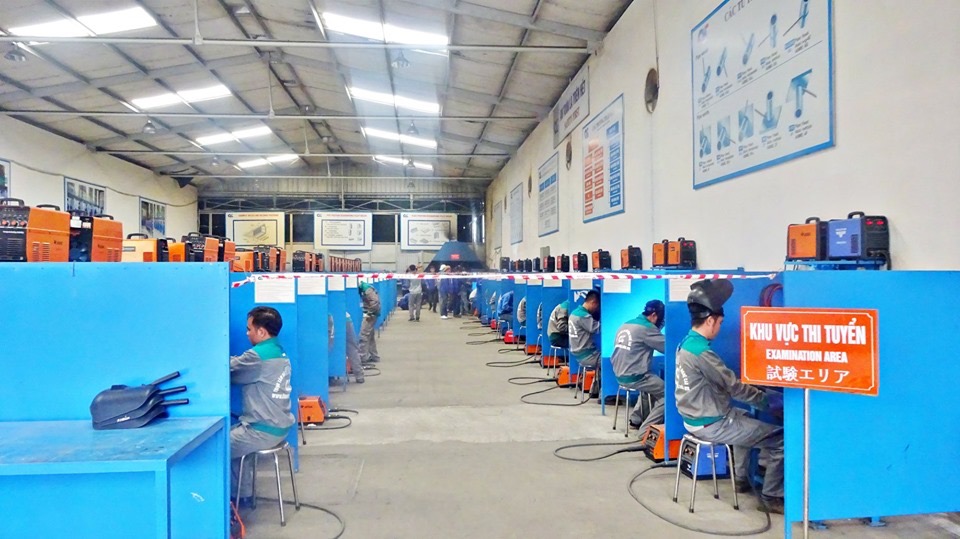
Vietnamese welders are the top choice for recruiters from South Korean shipbuilding companies.
Most In-Demand Vietnamese Workers for Korean Shipyards
1. 3G and 6G Welders
Welders remain the most sought-after professionals in Korea’s shipbuilding industry. Vietnamese welders are highly valued for their experience in:
- Structural welding
- Pipe welding
- FCAW welding
- MIG/MAG welding
- TIG welding
- Ship block welding
Qualified 3G and 6G welders can perform complex welding tasks required for vessel construction, LNG carriers, and offshore structures.
2. Marine Electricians
Marine electricians play a critical role in vessel construction. Responsibilities include:
- Cable installation
- Electrical wiring
- Control panel installation
- Power distribution systems
- Equipment testing
- Troubleshooting
Many Korean employers prefer electricians who possess technical diplomas and at least five years of relevant experience.
3. Industrial Painters
Industrial painters are essential for corrosion protection and vessel finishing. Vietnamese painters support:
- Surface preparation
- Sandblasting
- Marine coating application
- Tank coating
- Hull painting
- Quality inspection support
These skills are increasingly in demand as shipyards expand production.
4. Pipe Fitters
Pipe fitters install and maintain systems used throughout modern vessels, including:
- Fuel systems
- Hydraulic systems
- Water systems
- LNG piping systems
- Industrial process pipelines
Vietnamese pipe fitters with shipyard experience can quickly adapt to Korean production standards.
5. Hull Fitters and Steel Fabricators
Hull fitters and steel fabricators support ship hull construction and structural assembly. Their work is crucial throughout every stage of shipbuilding projects.
E-7-3 Visa Program: Supporting Korea’s Workforce Needs
To address labor shortages, South Korea has expanded opportunities for foreign skilled workers through the E-7-3 visa program. This visa category allows qualified foreign workers to legally engage in designated skilled occupations experiencing labor shortages.
The E-7-3 program has become particularly important for:
- Shipbuilding subcontractors
- Offshore contractors
- Steel fabrication companies
- Marine engineering firms
- Heavy industry manufacturers
Recent pilot programs in major shipbuilding regions such as Ulsan and South Gyeongsang have specifically targeted recruitment of foreign welders and painters, including Vietnamese workers. Nearly one thousand skilled workers are expected to be recruited under these regional initiatives.
Benefits for Korean Shipyards
Partnering with Vietnamese manpower suppliers offers several advantages.
Rapid Workforce Deployment
Professional recruitment agencies can quickly identify, test, and deploy qualified workers according to employer requirements.
Reduced Recruitment Risk
Candidate screening ensures workers possess the necessary skills, certifications, and work experience before deployment.
Increased Productivity
A stable workforce enables shipyards to maintain production schedules and meet project deadlines.
Long-Term Workforce Stability
Compared with temporary labor solutions, skilled Vietnamese workers under the E-7-3 framework can provide greater continuity and workforce retention.
Compliance and Legal Recruitment
Professional manpower suppliers support visa processing, documentation, skills verification, and worker preparation, helping employers remain compliant with Korean regulations.
Best Practices for Successful Recruitment
To maximize recruitment success, Korean employers should:
Verify Worker Skills
Practical trade testing remains essential for evaluating welding, electrical, and fitting abilities.
Provide Language Training
Basic Korean language training improves workplace communication and safety performance.
Focus on Long-Term Partnerships
Working with reputable Vietnamese manpower suppliers ensures consistent access to qualified workers.
Prioritize Safety Training
Comprehensive safety programs help workers adapt quickly to Korean shipyard standards.
Ensure Transparent Employment Conditions
Clear contracts and fair working conditions contribute to higher worker retention and productivity. Industry observers also emphasize the importance of protecting migrant workers’ rights and ensuring safe workplaces.
Conclusion
Vietnam has become one of the most effective solutions to Korea’s shipyard labor shortage. With a large pool of skilled welders, electricians, painters, pipe fitters, and hull fitters, Vietnam offers Korean shipbuilders access to reliable manpower capable of supporting demanding shipbuilding projects.
As South Korea continues expanding foreign skilled worker recruitment through the E-7-3 visa program, cooperation between Korean shipyards and Vietnamese manpower suppliers will play an increasingly important role in sustaining production capacity, improving project delivery, and supporting long-term industry growth.
For Korean shipbuilders seeking a dependable workforce strategy, skilled Vietnamese workers represent a practical, cost-effective, and sustainable solution to today’s shipyard labor challenges.
Contact Vietnam Manpower Supply Agency today to discuss your specific workforce needs and discover the difference that skilled Vietnamese workers make.
Do you want to hire #workers, seasonal workers and long-term workers from Vietnam?
But you don’t know about:
❓ What kind of service we provide?
👉 Consulting on finding Vietnamese welders
👉 Looking for a supply of welder human resources
👉 Consult about Vietnam’s labor market
👉 Source suitable workers meeting your requirements
👉 Take documents procedures in Vietnam
👉 Train workers languages and vocational skills
👉 Handle problems while Vietnamese workers work in EU
Please contact #Vietnammanpowersupply for #internationalhiring,
We will support you to do all things.
DETALL: #GLOBALSTAFFRECRUITMENT
Tel/Whatsapp: (+84 ) 982 0303 66 – CEO
🌐 LinkedIn: https://www.linkedin.com/company/vietnam-human-resources-group/
Website: vnmanpower.net
Email: namnq.vtc@gmail.com
Youtobe: https://www.youtube.com/@vietnammanpowersupply
#InternationalRecruitmentAgency #ManpowersupplyAgency #vietnammanpowersupply #manpoweragency #manpowersupply #manpowergroup #manpowervietnam #manpowercompany #manpowersupplycompany #Weldersupply #Supplyofshipwelders #weldermanpowersupply